Mulch holds moisture, keeps soil cooler in summer and suppresses weeds. Done wrong, it can rot bark and suffocate roots. A few simple rules make all the difference.
Weed and edge first
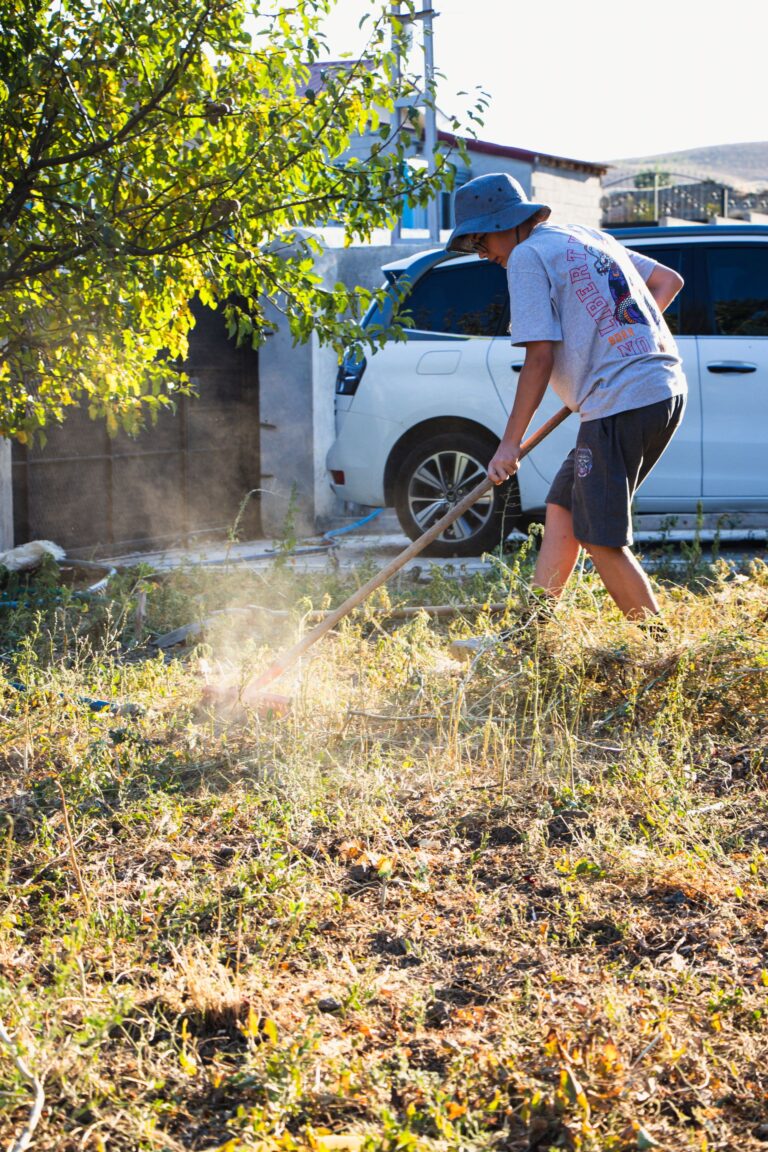
Pull weeds and cut a crisp natural edge between bed and lawn before any mulch goes down. The edge keeps grass from creeping in and makes the whole bed look sharp.
Two to three inches is plenty
If old mulch is still thick, rake it loose and top it up instead of adding another full layer. More is not better.
Keep it off trunks and stems
Mulch piled against a tree trunk, often called volcano mulch, traps moisture against the bark and invites rot and pests. Leave a few inches of space around trunks and shrub stems.
Pick the right mulch
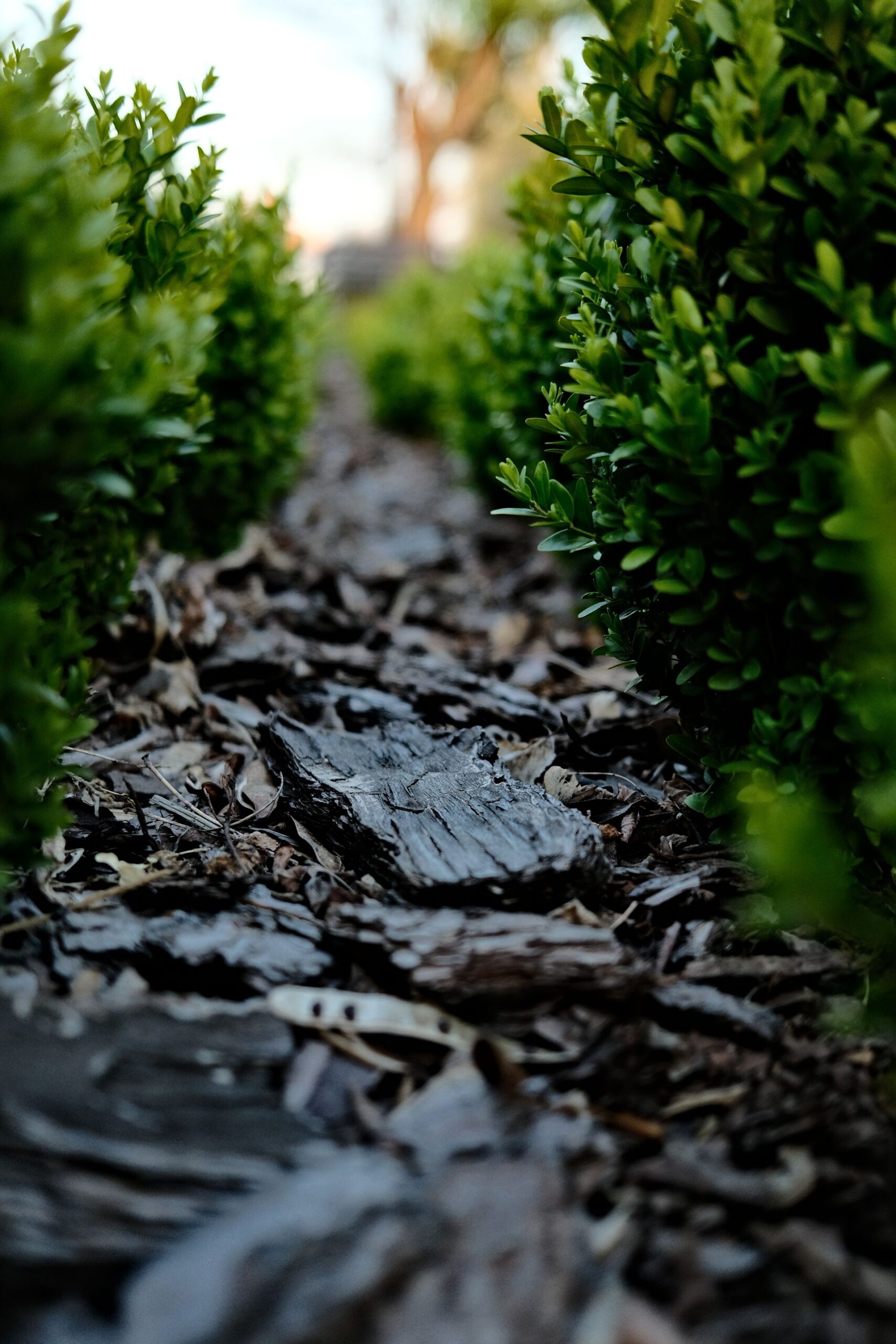
- Double-shredded hardwood: knits together and stays put on slopes
- Pine straw: light and great for acid-loving plants like azaleas
- Pine bark nuggets: lasts longer but can float in heavy rain
When to mulch
Spring is the classic time, after the soil warms. A light fall top-up insulates roots before winter.
We install double-shredded hardwood mulch from $85 per cubic yard, including weeding and edging.