Most Austin homes were built with summer in mind. Pipes run through attics, exterior walls and slab edges with very little insulation, which is why a single night in the low 20s can split a copper line. The good news is that a few minutes of preparation prevents almost every frozen pipe call we see.
The night before a freeze
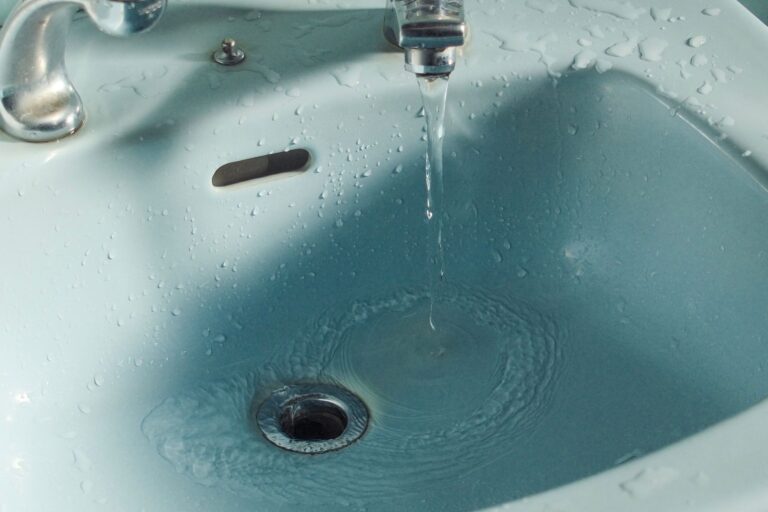
- Drip your faucets. Open the taps on exterior walls to a slow, steady drip, both hot and cold. Moving water is much harder to freeze.
- Open cabinet doors under kitchen and bathroom sinks so warm room air can reach the pipes.
- Disconnect garden hoses and cover outdoor spigots with an insulated faucet cover.
- Keep the thermostat at 55°F or higher, even if you are traveling.
- Find your main shut-off valve and make sure it turns. In most Austin homes it is near the street in a meter box or where the line enters the house.
- Insulate exposed pipes in the garage and attic with foam sleeves from any hardware store.
If a pipe freezes
If a faucet only trickles, a pipe is likely frozen but not yet broken. Keep the faucet open and warm the pipe gently with a hair dryer, starting near the faucet and working back. Never use an open flame or a heat gun.
If a pipe bursts
Shut off the main valve right away, turn off the water heater, and move valuables away from the water. Then call us. Our emergency line is answered 24 hours a day, and frozen pipe repairs are billed at the same flat rate whether it is noon or midnight.
During the last big freeze, homes that dripped their faucets were about five times less likely to call us with a burst pipe.
A longer-term fix
If the same line freezes every winter, it is usually in an exterior wall or an unconditioned attic. We can reroute or insulate the run so you can stop worrying about the forecast.