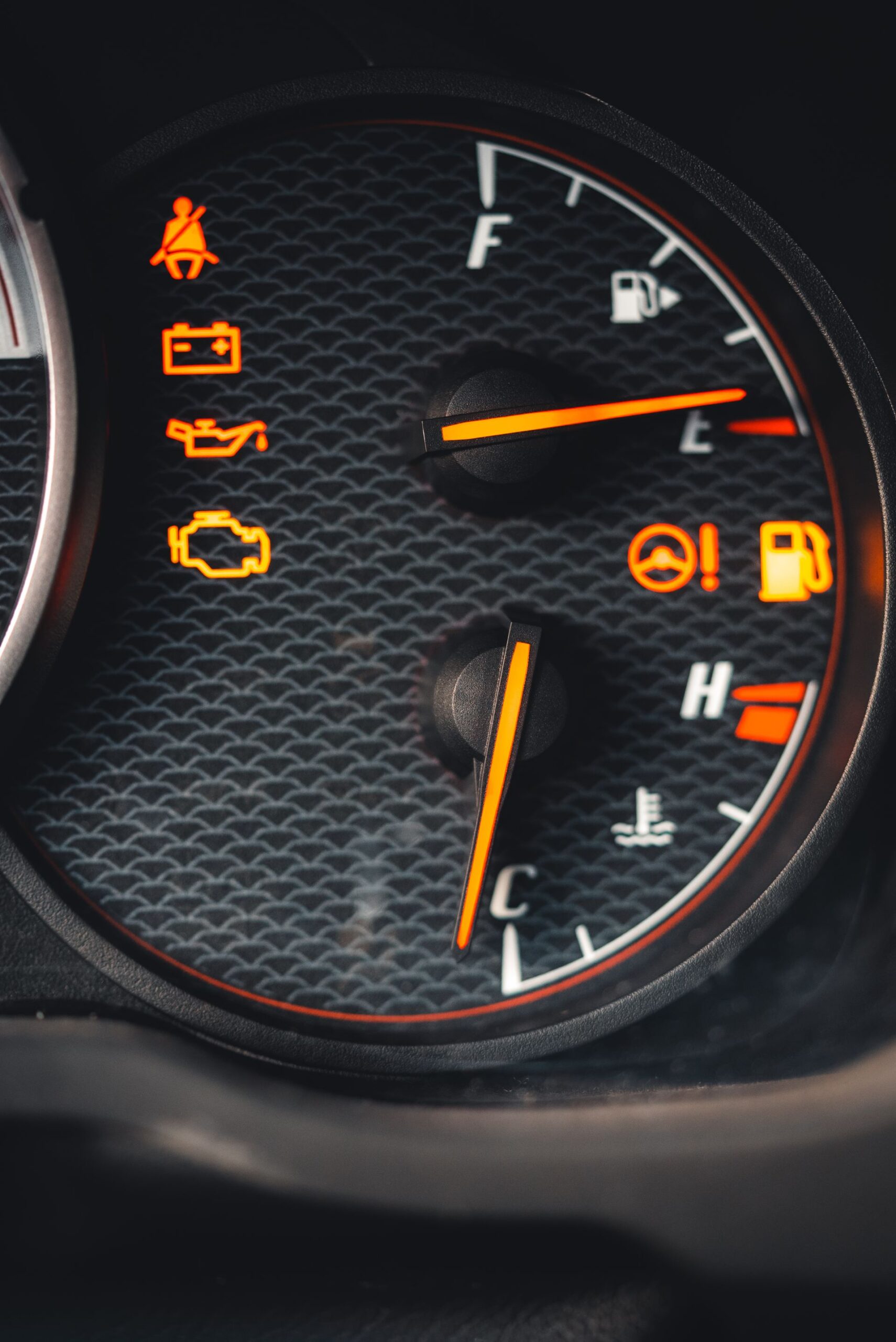
The check engine light is the most misunderstood light on the dashboard. It can mean anything from a loose gas cap to a misfire that is damaging your catalytic converter. The first step is knowing which kind of light you are looking at.
Solid light: book a visit
A steady light means the engine computer has stored a fault code. The car is usually safe to drive for a few days, but do not ignore it. Small problems like a failing oxygen sensor quietly cost you fuel and can damage more expensive parts over time.
Flashing light: slow down now
A flashing light means a severe misfire. Unburned fuel is going into the exhaust and can overheat the catalytic converter, a repair that often costs more than $1,500. Reduce speed, avoid hard acceleration and call the shop.
Why a free code read is not a diagnosis
- A code tells you which system reported a problem, not which part failed.
- A P0420 code, for example, can be a bad catalytic converter, a failing oxygen sensor or an exhaust leak.
- Replacing parts based on the code alone is how people spend $600 and still have the light on.
Try this first
If the light came on right after you filled up, check that the gas cap clicked tight. It can take a few days of driving for the light to turn off on its own.
Our $99 diagnostic uses factory-level scan tools and pinpoint testing, and the fee is credited to your repair.