Shingle manufacturers require proper attic ventilation for their warranties to stay valid, and for good reason. The temperature and moisture under your roof deck shape how fast the shingles on top of it age.
What happens in summer
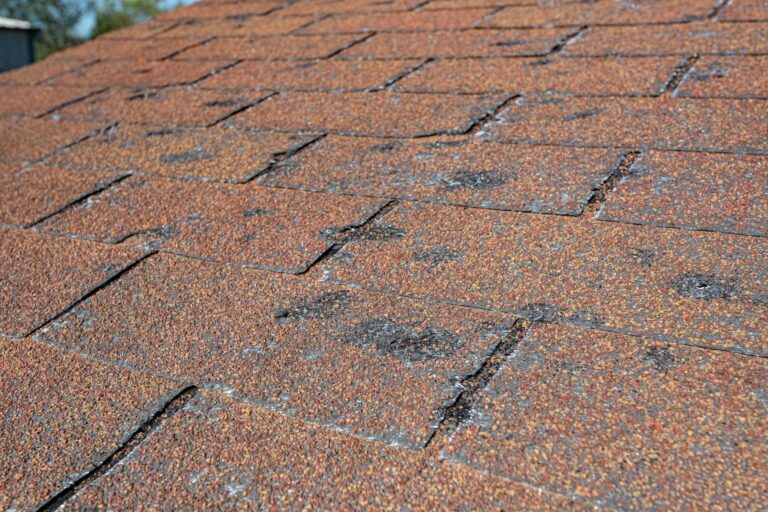
On a sunny July afternoon a poorly vented Denver attic can pass 150°F. That heat bakes shingles from below, dries out the asphalt and speeds up granule loss.
What happens in winter
Warm, moist air from the house rises into the attic. Without airflow it condenses on cold sheathing, leading to frost, mold and rotted decking, and it feeds ice dams at the eaves.
The fix: balanced intake and exhaust
- Intake through soffit vents along the eaves lets cool, dry air in low.
- Exhaust through a continuous ridge vent lets warm, moist air out high.
- Balance matters more than total vent area. Mixing ridge vents with box vents or gable fans can short-circuit the airflow.
Signs your attic needs help
- Icicles and ice dams every winter
- Upstairs rooms that stay hot into the evening
- Frost or dark staining on the underside of the roof deck
- Shingles curling or aging faster on one slope
Every Peakline replacement includes a ventilation check, and most upgrades cost far less than the years of shingle life they protect.